Why Deer Numbers Become a Human Problem Before a Habitat Problem
Carrying capacity is one of the most commonly discussed—and misunderstood—concepts in deer management. Many people think of it strictly in biological terms, asking how many deer a property can support before the habitat begins to fail. While this question is important, it overlooks a second and often more limiting factor: the social carrying capacity of deer.
In many landscapes, deer populations reach a point where they create human conflict long before the habitat shows obvious signs of damage. Understanding the difference between biological and social carrying capacity is essential for setting realistic management goals and maintaining healthy deer herds over the long term.
Biological Carrying Capacity: The Ecological Limit
Biological carrying capacity refers to the maximum number of deer a habitat can support without long-term harm to the land or the herd. When deer numbers approach or exceed this threshold, negative biological consequences begin to appear. These impacts often develop gradually, making them easy to overlook in the early stages.
- Common indicators that biological carrying capacity is being exceeded include:
- Heavy browsing on preferred native plants
- Declining body weights and lactation rates
- Poor fawn recruitment
- Reduced antler development
- Increased stress, parasites, and disease susceptibility
By the time these signs are obvious, the habitat is already under pressure, and recovery may take years even after deer numbers are reduced.
Social Carrying Capacity: The Human Tolerance Threshold
The social carrying capacity of deer describes how many deer people are willing to tolerate in a given area. Unlike biological limits, social carrying capacity is shaped by human perceptions, land use, and daily interactions with deer.
Deer begin to exceed social carrying capacity when they interfere with human activities or safety. This often includes:
- Crop damage and agricultural losses
- Vehicle collisions and roadway hazards
- Damage to gardens, landscaping, and ornamental plants
- Concerns about disease and property value
- Conflicts between neighboring landowners with different goals
In many areas, particularly agricultural and suburban landscapes, deer numbers exceed social carrying capacity while the habitat still appears productive and healthy.
Why Social Carrying Capacity Is Reached First
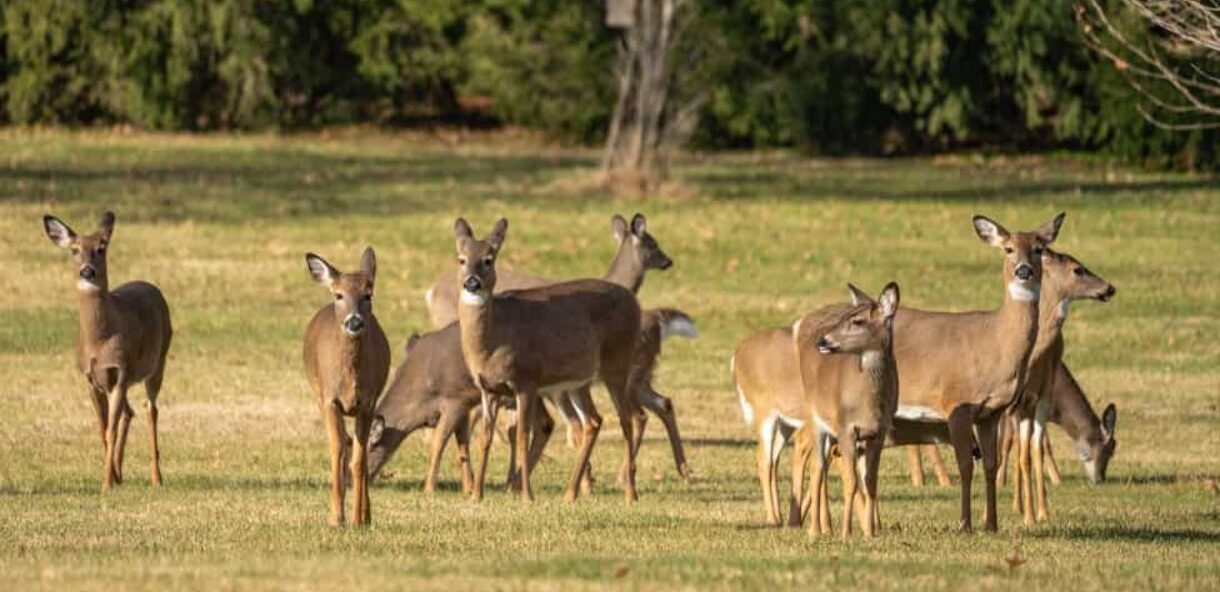
Modern landscapes are highly fragmented. Woodlots, crop fields, roads, and housing developments create conditions where deer can concentrate in relatively small areas. These pockets of high deer density often occur near refuge areas with limited hunting pressure, leading to localized overpopulation even when regional deer numbers seem reasonable.
Human tolerance for deer is also lower than the habitat’s ability to sustain them. Deer can survive at densities that people find unacceptable due to increased conflict, safety concerns, or economic loss. As a result, social carrying capacity is often exceeded years before biological carrying capacity becomes obvious.
Another challenge is that the earliest ecological impacts of overabundant deer are subtle. Deer selectively browse the most nutritious and palatable plants first, gradually reducing plant diversity rather than eliminating all vegetation. To the casual observer, the woods may still “look fine,” even as the foundation of the habitat is being weakened one plant species at a time.
The Management Trap of Waiting Too Long
One of the most common mistakes in deer management is assuming that no action is needed until habitat damage becomes obvious. By the time understory plants disappear or deer body condition declines noticeably, the population has likely exceeded both social and biological carrying capacity for years.
This delay often results in:
- Greater habitat damage
- More aggressive harvest requirements later
- Increased conflict with neighbors and communities
- Slower recovery of both habitat and herd quality
- Proactive management is far more effective than reactive population reduction.
- Managing Between the Two Limits
Successful deer management occurs in the space between biological and social carrying capacity. This balance allows deer populations to thrive while minimizing conflict and protecting long-term habitat health.
Maintaining this balance typically requires consistent attention to population trends and harvest data, with particular emphasis on antlerless harvest. While reducing deer numbers can be unpopular, especially in areas with strong hunting traditions, controlled population management is essential for preventing both ecological damage and human conflict.
Challenges in Suburban and Mixed-Use Landscapes
In suburban and fragmented agricultural areas, the social carrying capacity of deer often becomes the primary limiting factor. Small property sizes, limited hunter access, and varying landowner goals can create refuge effects where deer congregate and multiply.
In these situations, cooperation among neighboring landowners is often more important than habitat improvements alone. Without coordinated management, deer densities can remain high despite excellent habitat work.
Setting Realistic Deer Management Goals
Effective deer management starts with an honest assessment of how many deer a landscape can support without exceeding the social carrying capacity of deer or degrading habitat quality. This number is almost always lower than the biological maximum.
Well-designed management plans consider:
- Land use and human activity
- Habitat quality and diversity
- Deer density and age structure
- Long-term trends from surveys and harvest records
By addressing both biological and social limits, managers can make informed decisions that benefit deer, habitat, and people alike.
Conclusion: The Social Carrying Capacity of Deer
Deer populations rarely become a biological crisis overnight. More often, they become a human problem first. Recognizing the difference between biological carrying capacity and the social carrying capacity of deer allows landowners and managers to act before conflict and habitat damage occur.
Managing deer below both thresholds leads to healthier herds, more resilient habitats, and fewer conflicts—ensuring that deer remain a valued part of the landscape for generations to come.